You Are Facing Cracks and Wear – Is Concrete Driveway Maintenance Enough or Do You Need Full Repair?
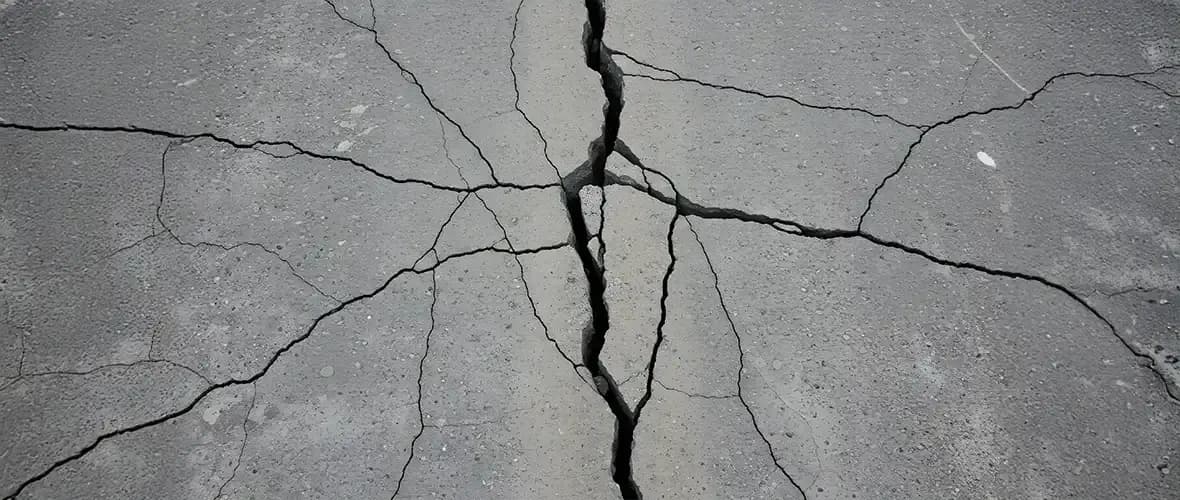
Cracks, surface wear, and uneven sections are common signs of aging concrete. But when these issues show up, homeowners often ask the same question: Is concrete driveway maintenance enough, or is it time for full repair or replacement?
The answer depends on what type of damage you’re dealing with. This guide walks you through how professionals perform concrete crack evaluation, when maintenance works, and when deeper repairs are necessary.
Why Concrete Driveway Maintenance Matters
Routine concrete driveway maintenance extends surface life, protects structural integrity, and delays costly repairs. When addressed early, many issues can be stabilized before they worsen.
Regular maintenance helps:
- Prevent moisture penetration
- Reduce freeze-thaw damage
- Improve surface durability
- Preserve curb appeal
However, maintenance is only effective when the underlying structure is still sound.
Not all cracks are equal. Understanding the difference is critical.
Step 1: Start With a Proper Concrete Inspection
Before deciding on maintenance or repair, a professional concrete inspection service should be your first step.
What a Concrete Assessment Includes
A thorough concrete assessment evaluates:
- Crack width, depth, and pattern
- Surface wear vs structural damage
- Drainage and slope conditions
- Soil movement or settling
- Load-bearing stress points
Skipping inspection often leads to treating symptoms instead of the real problem.
Structural vs Surface Cracks: Why the Difference Matters
Not all cracks signal failure. Knowing whether you’re dealing with structural vs surface cracks determines the correct solution.
Surface-Level Cracks (Maintenance May Be Enough)
These cracks are typically:
- Hairline or shallow
- Caused by shrinkage or weather exposure
- Non-expanding and stable
In these cases, concrete driveway maintenance – such as sealing, joint repair, or surface treatments—can be effective.
Learn more about repair options in our guide on Best Method for Concrete Crack Repair.
Structural Cracks (Repair or Replacement Needed)
Structural damage often shows:
- Wide or expanding cracks
- Uneven slabs or sinking sections
- Cracks that follow load-bearing lines
- Moisture intrusion beneath the slab
These issues go beyond surface treatment and usually require professional repair – or in severe cases, replacement.
Warning signs often start small. Review our blog on 10 Warning Signs You Shouldn’t Ignore in a Foundation Crack to understand when structural issues may be involved.
Concrete Driveway Maintenance: When It Works Best
Maintenance is effective only when damage is early-stage and non-structural.
Maintenance Solutions Typically Include:
- Crack sealing
- Joint resealing
- Surface cleaning and protection
- Minor patching
- Moisture barrier applications
These solutions slow deterioration but do not restore structural strength.
Repair vs Replacement Concrete: How Professionals Decide
One of the most common homeowner concerns is repair vs replacement concrete – and it’s a fair question.
Use This Repair Decision Guide
This repair decision guide helps eliminate guesswork and avoids wasted spending on short-term fixes.
Why DIY Fixes Often Fail
Many homeowners attempt quick fixes without a proper concrete crack evaluation. Unfortunately, surface patches can trap moisture and worsen long-term damage.
Common DIY mistakes include:
- Ignoring underlying soil movement
- Using incorrect sealants
- Skipping curing requirements
- Treating structural cracks as cosmetic
Professional concrete inspection services prevent these costly missteps.
When to Call a Concrete Professional
You should consult a professional if:
- Cracks are widening or spreading
- Sections feel uneven or hollow
- Water pools or drains improperly
- Repairs have failed before
Early intervention often reduces the need for full replacement.
Why Homeowners Trust Material Masters Concrete
At Material Masters Concrete, we believe informed decisions lead to better outcomes. Our team provides:
- Honest concrete crack evaluations
- Clear recommendations based on structural integrity
- Maintenance when it makes sense
- Repair or replacement only when necessary
Our goal is to protect your driveway-and your investment.
Schedule a professional concrete assessment today and get clarity before damage escalates.
Final Thoughts
Concrete driveway damage doesn’t always mean replacement-but ignoring warning signs can make it inevitable. The key is knowing when concrete driveway maintenance is enough and when deeper repair is required.
With the right inspection, evaluation, and guidance, you can choose the smartest path forward.
Not Sure If Your Driveway Needs Maintenance or Full Repair?
Don’t guess—and don’t overspend on the wrong solution.
Material Masters Concrete provides professional concrete crack evaluations to determine whether simple maintenance will protect your driveway or if structural repair is necessary.
📞 Call (360) 429-0252 today for a professional driveway inspection and protect your investment before damage worsens.
FAQs – Quick Answers for Users
If cracks are small, stable, and surface-level, maintenance such as sealing or minor patching may be enough. However, widening cracks, uneven slabs, or sinking sections usually indicate structural issues that require professional repair or replacement.
Driveway repair typically costs significantly less than full replacement. Minor repairs may range from a few hundred dollars, while complete replacement can cost several thousand depending on size and damage severity. A professional inspection provides accurate estimates.
Surface cracks can often be sealed effectively, but structural cracks caused by soil movement or load stress may require deeper repair solutions. In severe cases, replacement may be the most durable long-term option.
Concrete driveways should be inspected annually and resealed every 2–3 years, especially in areas with heavy rainfall or freeze-thaw cycles like Washington. Regular maintenance helps extend lifespan and prevent structural damage.