Concrete Walkway Installation: Design Ideas and Cost Guide for Washington Homeowners
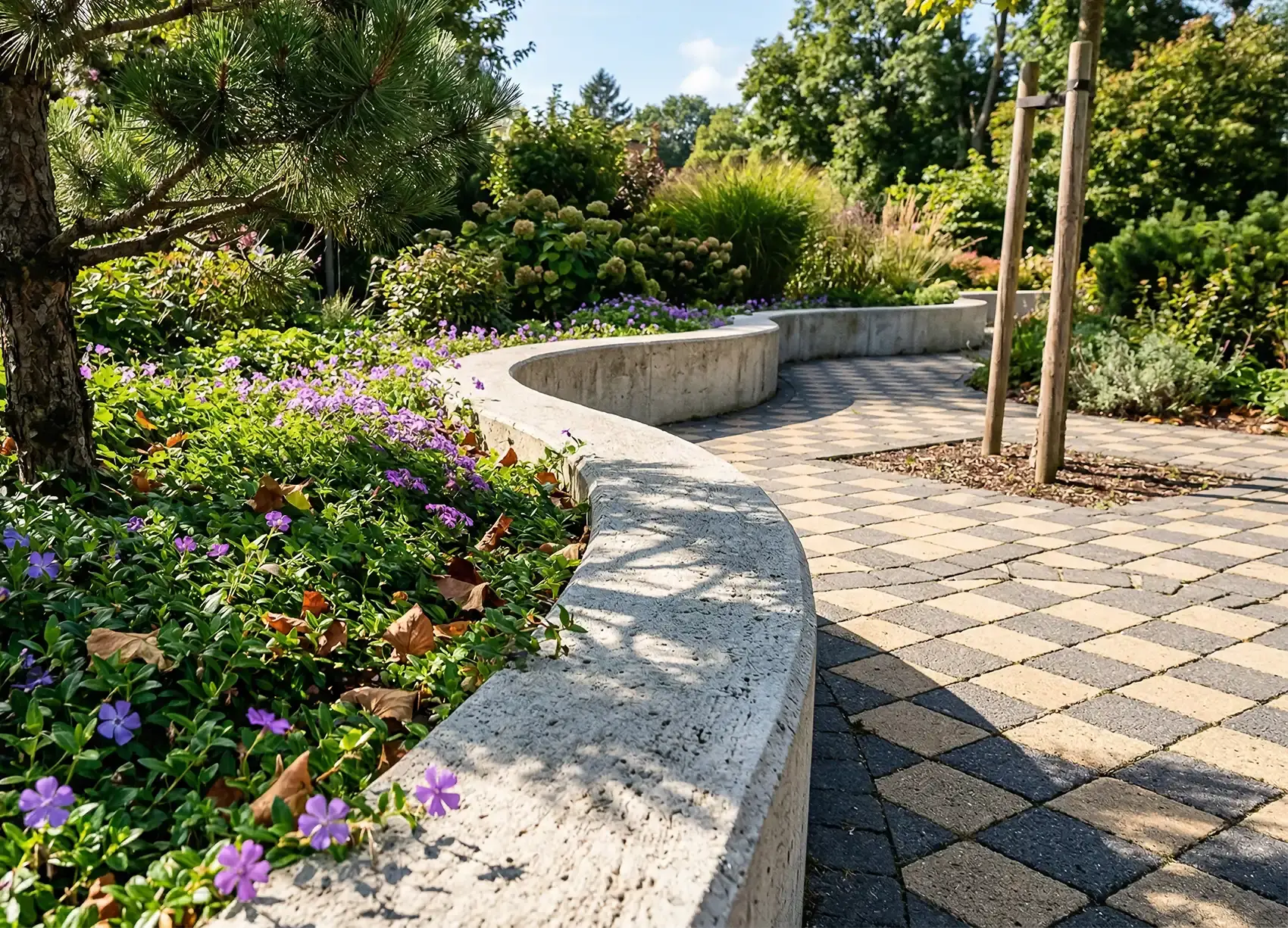
A well-designed concrete walkway does more than connect your driveway to your front door—it enhances curb appeal, improves safety, and adds lasting value to your Washington State property. Whether you’re replacing an old cracked path or installing a brand-new walkway from scratch, understanding your design options and the costs involved helps you make informed decisions that fit both your aesthetic vision and your budget.
Washington homeowners face unique considerations when planning concrete walkway projects. Our climate—with wet winters, occasional freezes, and temperature fluctuations—demands quality installation techniques and proper preparation to ensure your walkway withstands decades of Pacific Northwest weather.
Why Choose Concrete for Your Washington Walkway
Concrete remains the most popular choice for residential walkways across Washington for several compelling reasons. Durability tops the list—a properly installed concrete walkway can last 30 years or more with minimal maintenance, even in our challenging climate. Unlike pavers that can shift or wood that rots, concrete provides a stable, permanent surface that maintains its integrity through countless freeze-thaw cycles.
Cost-effectiveness makes concrete particularly attractive for budget-conscious homeowners. While decorative options exist, even a basic concrete walkway offers excellent value compared to alternatives like natural stone or brick pavers. The material itself is affordable, and installation—while requiring professional expertise—proceeds efficiently once proper site preparation is complete.
Versatility in design gives concrete an edge over more limited materials. Modern decorative concrete techniques allow for stamping, staining, scoring, and texturing that can mimic the appearance of flagstone, brick, or custom patterns. You’re not limited to plain gray—today’s concrete walkways can match any architectural style from traditional to contemporary.
Ready to transform your home’s entrance with a professional concrete walkway? Material Masters Concrete serves the greater Washington area with expert installation. Call us at (800) 854-9875 for a free consultation.
Popular Concrete Walkway Design Options
Washington homeowners have numerous design choices when planning their concrete walkway installation. The right selection depends on your home’s architecture, your personal style preferences, and your budget.
Stamped Concrete Walkways
Stamped concrete creates texture and pattern that resembles natural materials. Popular patterns for Washington homes include slate, cobblestone, and wood plank designs. This technique involves pressing molds into freshly poured concrete before it fully cures, creating dimensional surface patterns. Color can be integrated throughout the concrete or applied topically for richer hues. Stamped walkways typically cost $12-$18 per square foot installed.
Broom Finish Walkways
The classic broom finish remains popular for good reason—it provides excellent traction in wet conditions while maintaining a clean, traditional appearance. After pouring and smoothing the concrete, contractors drag a broom across the surface, creating subtle grooves that prevent slipping. This economical option typically runs $8-$12 per square foot and works well with any home style.
Exposed Aggregate Finishes
Exposed aggregate reveals the natural stones within the concrete mix, creating a textured, visually interesting surface with superior traction. This finish works particularly well in our rainy climate since the texture provides grip even when wet. The natural stone appearance complements Pacific Northwest landscaping beautifully. Expect costs around $10-$15 per square foot for this durable, attractive option.
Colored and Stained Concrete
Integral color or acid staining allows you to customize your walkway’s appearance beyond standard gray. Earth tones like terracotta, sandstone, and charcoal are popular in Washington, complementing natural surroundings while adding visual interest. Colored concrete can be combined with stamping or other textures for a truly custom look. Budget approximately $10-$16 per square foot depending on complexity.
Understanding Concrete Walkway Installation Costs
Several factors influence the final cost of your concrete walkway project in Washington. Understanding these variables helps you budget accurately and make informed decisions about where to invest your dollars.
The size of your walkway directly impacts cost. A standard front walkway connecting your driveway to your entry might measure 3-4 feet wide and 20-40 feet long. Wider walkways (5-6 feet) create a more impressive entrance but increase material and labor costs proportionally. Side or backyard paths are typically narrower, around 2-3 feet, reducing costs.
Site preparation significantly affects pricing. If your property has challenging terrain, poor drainage, or requires extensive excavation, expect additional costs. Washington’s clay-heavy soils in some areas may require extra base material for proper drainage. Removing old walkways, tree roots, or other obstacles adds to the project scope. Professional contractors like Material Masters Concrete assess these factors during site evaluation.
Design complexity plays a major role in final costs. A basic broom-finished straight walkway represents the most economical choice. Adding curves, decorative edges, multiple colors, or intricate stamped patterns increases labor time and material costs. Decorative edging or integrated landscape curbing can enhance the finished look while defining your walkway boundaries.
Get an accurate estimate for your concrete walkway project. Material Masters Concrete provides detailed, no-obligation quotes throughout Washington State. Contact us today at (800) 854-9875.
The Installation Process: What to Expect
Understanding the installation process helps you prepare for your concrete walkway project and appreciate the craftsmanship involved in quality work.
Site preparation begins with marking the walkway path and excavating to proper depth—typically 4-8 inches depending on soil conditions and climate considerations. In Washington, proper depth is crucial for accommodating base material that facilitates drainage and prevents frost heaving during occasional freezes.
Base layer installation follows excavation. Contractors spread and compact crushed rock or gravel, creating a stable foundation that allows water to drain away from the concrete surface. This step is particularly important in our wet climate, where poor drainage leads to premature concrete failure. The base should be compacted in lifts to achieve maximum stability.
Forming and grading come next. Wooden or metal forms define the walkway edges and ensure proper width and alignment. Contractors set forms to create appropriate slope for water runoff—typically 1/8 inch per foot—directing water away from structures and preventing pooling.
Concrete placement requires careful attention to weather conditions. Temperatures should be between 50-85°F for optimal curing. The concrete is poured, spread, and consolidated to eliminate air pockets. For decorative finishes, contractors must work quickly while the concrete remains workable—typically 1-2 hours depending on temperature and humidity.
Finishing techniques vary by the chosen design. Smoothing, texturing, stamping, or applying color must happen at precise times during the curing process. Professional contractors understand these timing nuances, ensuring consistent, quality results across your entire walkway.
Curing and sealing complete the installation. Proper curing—keeping the concrete moist for 7 days—is essential for achieving full strength. After adequate curing, applying a quality sealer protects against moisture penetration, staining, and freeze-thaw damage. In Washington’s climate, sealing is particularly important for long-term performance.
Maintenance Tips for Washington Concrete Walkways
Proper maintenance extends your concrete walkway’s lifespan and preserves its appearance. Washington’s climate presents specific challenges that make maintenance particularly important.
Regular cleaning prevents buildup of moss, algae, and organic stains common in our damp environment. A simple pressure washing once or twice annually removes these growths before they can deteriorate the surface or create slippery conditions. Avoid harsh chemicals that might damage sealers or the concrete itself.
Sealer reapplication should occur every 2-3 years depending on foot traffic and weather exposure. Quality sealers protect against moisture penetration—crucial for preventing freeze-thaw damage during occasional winter cold snaps. They also resist staining from leaves, dirt, and other organic materials.
Prompt crack repair prevents small issues from becoming major problems. While minor hairline cracks are normal in concrete, larger cracks should be filled with appropriate concrete repair products. Addressing cracks early prevents water infiltration that can lead to more extensive damage.
Winter care in Washington typically doesn’t require the aggressive de-icing common in harsher climates, but occasional freezing does occur. When it does, avoid using rock salt or chemical de-icers on your concrete walkway, as these can damage both the surface and the sealer. Sand provides traction without harmful effects.
Choosing the Right Concrete Contractor in Washington
Selecting an experienced concrete contractor makes the difference between a walkway that lasts decades and one that fails prematurely. Washington’s climate demands contractors who understand proper base preparation, drainage considerations, and appropriate concrete mixes for our weather conditions.
Look for contractors with extensive local experience. They’ll understand regional soil conditions, typical weather patterns, and building code requirements. Ask to see examples of completed projects similar to what you envision for your property. Quality contractors maintain portfolios showcasing their range of work and craftsmanship.
Verify proper licensing and insurance. Washington State requires contractors to be licensed, bonded, and insured. These protections safeguard you from liability if accidents occur during installation and provide recourse if work doesn’t meet agreed standards. Don’t hesitate to ask for proof of these credentials.
Request detailed written estimates from multiple contractors. Quality estimates should break down costs for excavation, base material, concrete, finishing, and any decorative elements. They should also specify concrete strength, thickness, and the type of sealer to be used. Comparing detailed estimates helps you understand where your money is going and identify contractors who might be cutting corners.
A concrete walkway represents a significant investment in your home’s curb appeal, functionality, and value. Taking time to plan your design, understand costs, and select the right contractor ensures you’ll enjoy beautiful, durable results for decades to come. Whether you prefer classic simplicity or custom decorative finishes, quality installation using proper techniques will serve your Washington home well through countless rainy seasons and occasional freezes.
Frequently Asked Questions
Most residential concrete walkway installations in Washington take 2-3 days from start to finish. Day one involves excavation and base preparation. Day two includes forming, pouring, and finishing the concrete. The concrete then needs 7 days to cure before heavy use, though you can typically walk on it carefully after 24-48 hours. Complex designs with multiple colors or intricate stamping may extend the timeline.
The standard front walkway width is 4 feet, which allows two people to walk side-by-side comfortably. However, 3-foot widths work for more modest homes or tighter spaces, while 5-6 foot walkways create a grand entrance appropriate for larger properties. Consider your home’s scale, your budget, and how the walkway will be used when deciding on width.
Concrete installation during Washington winters is possible but requires careful planning. Temperatures must remain above 50°F during pouring and for at least 48 hours afterward. Late fall through early spring in Western Washington often provides suitable conditions between rain systems. Professional contractors monitor weather forecasts closely and may use insulating blankets or heated enclosures for winter installations when necessary.
Standard residential walkways should be 4 inches thick when poured over a properly prepared base. This thickness provides adequate strength for foot traffic and occasional wheeled equipment like hand trucks or wheelbarrows. If vehicles might cross the walkway (like at a driveway intersection), increase thickness to match driveway specifications—typically 6 inches. The base layer of compacted gravel should be 4-6 inches deep beneath the concrete.
Permit requirements vary by municipality in Washington State. Many jurisdictions don’t require permits for simple walkway replacement or installation, but some cities have specific rules about impervious surfaces, setbacks from property lines, or work near public sidewalks. Your contractor should verify local requirements before beginning work. Material Masters Concrete handles all necessary permitting as part of our comprehensive service.
Material Masters Concrete — Serving Longview, Cowlitz County, and Southwest Washington — materialmastersconcrete.com