Why Does Concrete Fail Early? Common Maintenance Mistakes Most Homeowners Make
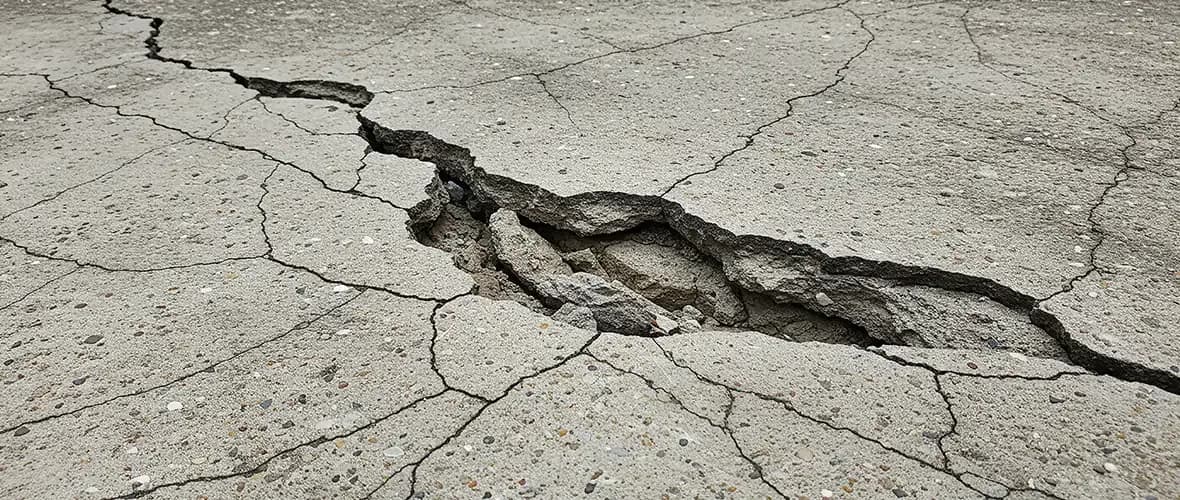
Concrete is one of the most durable building materials—but even the strongest driveway, patio, or walkway can fail long before it should. The reality is that most early damage isn’t caused by poor concrete quality. It’s caused by common concrete maintenance mistakes homeowners don’t even realize they’re making.
Understanding why concrete fails helps you avoid costly repairs and extend your surface’s lifespan by decades. Here are the top concrete care errors and how to prevent premature wear.
Why Concrete Fails Early: The Real Reasons Behind Premature Damage
Even well-installed concrete can deteriorate faster than expected due to:
- Moisture intrusion
- Freeze-thaw cycles
- Improper cleaning
- Lack of sealing
- Stress from heavy loads
- Drainage issues
The good news? Most of these issues are preventable with the right maintenance habits.
Top Concrete Maintenance Mistakes (and How to Avoid Them)
1. Not Sealing Concrete Regularly
Skipping sealing is the #1 cause of early concrete wear.
Unsealed concrete absorbs:
- Water
- De-icing chemicals
- Oil
- Dirt
- Algae
In the Pacific Northwest, excessive moisture causes cracks, scaling, and surface breakdown even on new flatwork.
How to prevent it:
Seal concrete every 2–3 years to keep water out and protect the surface.
2. Using Harsh Salt-Based De-Icers
Most homeowners don’t realize that ice melt products containing:
- Calcium chloride
- Magnesium chloride
- Sodium chloride
can penetrate concrete and break it down from the inside.
How to prevent it:
Use sand or concrete-safe ice melt instead.
3. Pressure Washing Incorrectly
High PSI pressure washing can:
- Erode the surface
- Remove protective sealant
- Expose the top layer to moisture
How to prevent it:
Use low-to-medium pressure or hire experienced professionals who know how to protect your slab.
4. Ignoring Small Cracks
Tiny cracks quickly become big problems during freeze-thaw seasons.
What starts as hairline damage can turn into:
- Surface spalling
- Structural cracking
- Moisture intrusion
- Shifting or sinking slabs
How to prevent it:
Repair cracks as soon as they appear using high-quality fillers and bonding agents.
5. Allowing Standing Water
Poor drainage leads to long-term water exposure, one of the biggest reasons why concrete fails prematurely.
Standing water contributes to:
- Mold and algae
- Surface deterioration
- Crack expansion
- Soil movement under the slab
How to prevent it:
Ensure proper grading and keep gutters/downspouts clear.
6. Using the Wrong Cleaning Methods
Bleach, acidic cleaners, and abrasive tools can weaken decorative or standard concrete surfaces.
How to prevent it:
Use:
- pH-neutral cleaners
- Soft-bristle brushes
- Periodic professional cleaning
7. Overloading the Concrete Surface
Driveways are often damaged by:
- Oversized trucks
- Heavy trailers
- Commercial equipment
Even well-reinforced concrete has load limits.
How to prevent it:
Avoid unnecessary heavy loads or reinforce high-traffic areas with stronger mixes or thicker slabs.
8. Neglecting Seasonal Maintenance
Concrete needs different care in different seasons.
Skipping seasonal maintenance can lead to:
- Winter cracking
- Moss growth
- Sealant breakdown
- Surface discoloration
Check out our concrete maintenance checklist – year-round for simple seasonal steps.
What to Do Instead: Best Practices to Prevent Early Concrete Wear
To avoid premature damage and get decades of durability, follow these practices:
✔ Seal every 2–3 years
✔ Clean surfaces annually
✔ Keep drainage flowing away from your slab
✔ Repair cracks early
✔ Avoid harsh chemicals
✔ Maintain concrete gently but consistently
With proper upkeep, concrete can last 30–40+ years—even longer when installed by professional contractors like Material Masters Concrete.
Conclusion
Early concrete failure is almost always the result of preventable maintenance errors. By avoiding harsh chemicals, sealing regularly, cleaning correctly, repairing cracks early, and maintaining seasonal care, you can protect your investment and enjoy long-lasting, durable concrete.
For professional guidance on protecting and maintaining your concrete surfaces, Material Masters Concrete offers expert installation and long-term care services designed for the Pacific Northwest climate.
Common Questions Homeowners Ask
Skipping sealing and allowing moisture intrusion are the primary causes of premature concrete breakdown.
Yes. Even tiny cracks allow water in, which expands during freeze-thaw cycles and causes larger structural damage.
It can if PSI is too high. Gentle pressure washing or professional cleaning is recommended.
Absolutely. Sealing helps protect against water, oil, UV damage, and erosion—dramatically extending longevity.
Use pH-neutral cleaners and soft brushes to avoid weakening the surface.