What’s the Perfect Thickness for Concrete Driveways?
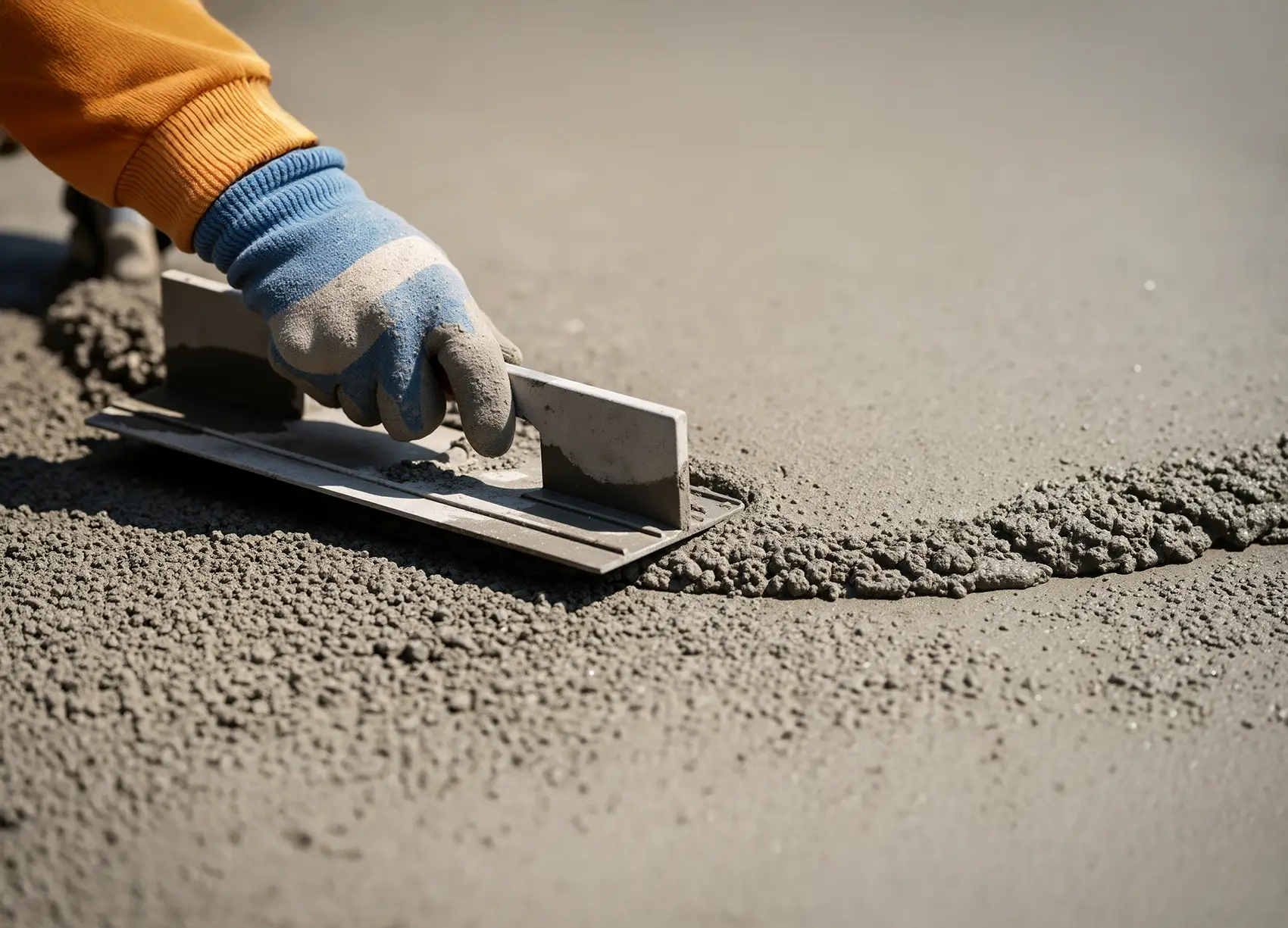
If you’re planning a new driveway, one of the most important decisions is choosing the correct driveway concrete thickness. Many homeowners assume “thicker is always better,” but the truth is that the right thickness depends on how the driveway will be used, the soil condition, and the type of vehicles expected to drive on it.
Concrete driveways are a long-term investment, and getting the thickness wrong can lead to cracking, sinking, and costly repairs. In this guide, we’ll explain the ideal thickness for residential driveways, when thicker slabs are needed, and how driveway thickness compares to other flatwork projects.
Why Driveway Concrete Thickness Matters
Concrete driveways carry heavy loads every day, including cars, SUVs, delivery trucks, and sometimes RVs. If the slab isn’t thick enough, the surface can weaken over time.
Proper driveway concrete thickness helps:
- Support heavy vehicle weight
- Prevent cracks and shifting
- Increase durability and lifespan
- Reduce long-term repair costs
- Improve overall structural strength
Thickness also plays a key role in creating strong load-bearing slabs, especially in areas where the ground may shift or freeze.
Standard Thickness for Residential Concrete Driveways
For most homes, the standard driveway thickness is:
4 inches of concrete
This is considered the minimum thickness for typical residential use and meets most residential flatwork standards.
A 4-inch driveway is usually strong enough for:
- Cars
- SUVs
- Light pickup trucks
- Normal daily traffic
However, the thickness alone isn’t enough. The base preparation underneath the concrete is just as important for long-term performance.
When Should a Driveway Be 5 or 6 Inches Thick?
While 4 inches is standard, some driveways require more support depending on usage.
5 to 6 inches is recommended if you expect:
- Frequent heavy trucks or work vehicles
- Garbage trucks driving over the slab regularly
- RV parking
- Commercial-style use on a residential property
Many contractors also pour thicker concrete near the entrance of the driveway (where street traffic and turning forces are highest).
For homeowners investing in a long-lasting driveway, upgrading to 5 or 6 inches can be a smart choice.
Thickness vs Strength: The Role of Reinforcement
Even with the correct thickness, reinforcement helps prevent cracking and shifting.
Common reinforcement options include:
- Rebar grid
- Wire mesh
- Fiber-reinforced concrete
Reinforcement doesn’t eliminate cracks completely, but it helps control them and keeps the slab stable. This is especially helpful for driveways built as load-bearing slabs.
A properly reinforced 4-inch driveway can often outperform a thicker slab poured on a weak foundation.
Concrete Base Preparation (Often More Important Than Thickness)
A strong driveway depends on what’s underneath the concrete.
The base typically includes compacted gravel, which provides:
- Drainage support
- Stability against shifting soil
- Better load distribution
If the base isn’t compacted properly, even a thick driveway may crack or settle.
That’s why professional Concrete Driveway Installation always includes proper grading and base preparation—not just pouring concrete.
How Driveway Thickness Compares to Other Flatwork Projects
Many homeowners also ask how driveway thickness compares to patios and walkways.
Concrete Flatwork Thickness Standards
General concrete flatwork thickness guidelines include:
- Driveways: 4–6 inches
- Walkways: 3–4 inches
- Patios: 4 inches
- Garage floors: 4–6 inches
Driveways are typically thicker because they carry heavier loads than patios or walkways.
Patio Slab Thickness: What’s the Standard?
The standard patio slab thickness is usually 4 inches, which is enough for outdoor furniture and foot traffic. If you plan to install a heavy structure like a hot tub or outdoor kitchen, a thicker slab may be needed.
Patios don’t carry vehicles, so they don’t require the same structural strength as driveways.
Walkway Thickness Requirements
Most residential walkways are poured at 3 to 4 inches thick. Since walkways mainly support foot traffic, they don’t need the same strength as driveways.
However, walkways still require proper base preparation and grading to prevent cracking and uneven settling. Professional Concrete Walkway Installation ensures your sidewalk stays level, safe, and long-lasting.
Common Mistakes Homeowners Make With Driveway Thickness
Here are some common issues that lead to early driveway failure:
- Pouring less than 4 inches
- Skipping reinforcement
- Weak or uneven base preparation
- Poor drainage around the driveway
- Using low-quality concrete mix
Following proper residential flatwork standards helps ensure your driveway lasts 25–30 years or more.
Final Answer: What’s the Perfect Thickness for a Concrete Driveway?
For most homes, the perfect driveway thickness is:
✅ 4 inches for standard residential vehicles
✅ 5–6 inches for heavy vehicles, trucks, or RV use
But remember—strength also depends heavily on reinforcement and a properly prepared base.
Need a Strong Concrete Driveway Built to Last?
If you’re planning a new driveway and want expert guidance on the right driveway concrete thickness, Material Masters Concrete is ready to help.
We provide professional concrete services designed for durability, strength, and curb appeal.
✅ Proper grading and base prep
✅ Reinforced concrete options
✅ High-quality flatwork built to last
Contact Material Masters Concrete today for a quote and professional driveway installation you can trust.
FAQs About Driveway Concrete Thickness
A thickness of 5 to 6 inches is recommended for heavy trucks or frequent commercial use.
No. Reinforcement helps control cracking, but the slab must still meet minimum thickness requirements.
Both matter, but poor base preparation can ruin even the thickest slab.