What to Expect from Concrete Flatwork Sidewalk Construction: A Step-by-Step Guide
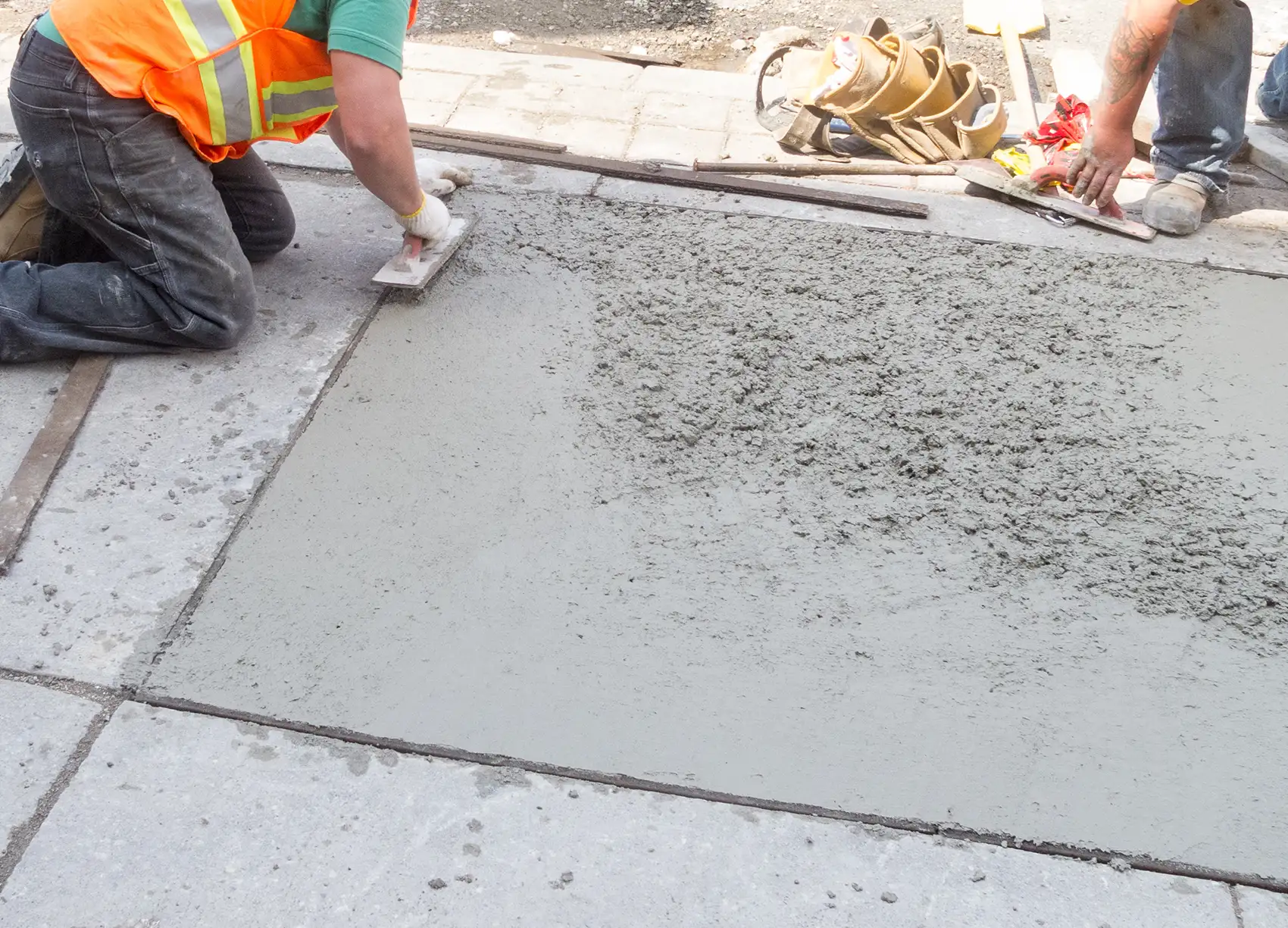
What Is Concrete Flatwork Sidewalk Construction?
Sidewalks are part and parcel of any property, helping provide a safe walk and a designated path for pedestrians. Concrete flatwork is the choice when it comes to sidewalk construction. But if you are not familiar with the process, you will be quite surprised at what to expect. Thus, this guide takes you through the steps in concrete flatwork sidewalk construction so you will be aware of your project timeline and procedures clearly.
How to Build a Concrete Sidewalk
- Start with a plan: Careful planning is essential for a successful sidewalk project.
- Obtain necessary permits: Check and comply with local building regulations.
- Prepare the site: Clear the area, excavate, and ensure proper drainage.
- Set forms: Define the sidewalk shape and size using wooden or metal forms.
- Pour concrete: Use quality concrete and pour evenly into the forms.
- Finish the surface: Level, smooth, and texture the surface as desired.
- Allow curing time: Proper curing ensures long-lasting strength and durability.
- Know your goal: Whether replacing or installing new, understanding each step ensures confident decision-making and better results.
Various Steps Involved During Concreting
Concrete sidewalk construction is more than just pouring concrete—it involves a series of well-planned and executed steps to ensure durability, strength, and a clean finish. These steps cover everything from site preparation to the final curing process. Understanding each phase helps property owners stay informed and involved during the project. Below, we break down each stage of the concreting process for a standard sidewalk project.
How Is a Concrete Sidewalk Planned and Permitted?
A qualified concrete contractor will work together with you to understand your specific needs and design the sidewalk layout. Before construction starts, this might include obtaining necessary permits from your local authorities.
What Happens During Sidewalk Site Preparation?
Once the plan is finally drawn out, the construction crew will start preparing the desired space for the sidewalk. In that, excavation of the soil up to the preset depth, ensuring proper drainage and a solid foundation to set it upon, becomes a part of the process. Whatever vegetation or debris already prevails in the area is cleared at this stage.
Do You Need Subgrade Installation for Sidewalks?
Depending on soil conditions and requirements of the project, there will be a subgrade material either in form of crushed rock or gravel installed. This layer will distribute the weight and improve the drainage below the concrete slab.
How Are Forms Installed for Concrete Sidewalks?
Wooden or metal forms will be placed along the edges of the sidewalk that is planned so that it defines the shape and the thickness of the concrete slab. Such a form acts as a mold for the poured concrete.
How Is Concrete Mixed and Poured for Sidewalk Construction?
Concrete will be mixed on-site or may be ordered pre-mixed from a ready-mix supplier. The crew will then place the concrete mixture in forms prepared on smooth, level surfaces.
What Is the Process for Finishing and Curing Sidewalk Concrete?
Once the concrete is in place, the surface will be screeded and smoothed to a uniform finish. The concrete will then undergo a curing process, involving keeping it moist for several days to let it dry and to achieve full strength.
Why Are Control Joints and Expansion Joints Important?
Contraction joints or control joints are placed at regular spacings within the slab to control cracking which occurs due to settlement and thermal actions. Expansion joints can be provided to enable independent movement between the sidewalk and adjacent structures.
What Are the Final Steps After Sidewalk Curing?
Following the curing period, forms are stripped and any edges are finished as required. Once it reaches full strength from curing, the sidewalk is ready for use.
How Long Does Concrete Sidewalk Construction Take?
It takes time to construct this concrete flatwork sidewalk, but in your case, it will be determined by the length of the sidewalk, its complications, or weather depending on how fast you cure during the wet process curing. However, looking at the ordinary residential sidewalk project, that would normally take a few days or so in total time.
What Should You Consider When Building a Sidewalk?
- Accessibility requirements: If your sidewalk is to have some other local building codes complied with, then in the course of construction, you may have ramps or any other feature with regard to accessibility.
- Decorative Edge: Beyond concrete’s base grayish look, there are many alternatives such as colored concrete, stamped concrete patterns, or exposed aggregate finishes that can make the sidewalk more decorative.
Conclusion: Why Choose Concrete Flatwork for Sidewalks?
Concrete flatwork is a good and versatile option to create strong and long lasting sidewalks. Knowing what the process involves will help in preparing to get your project done and ensure that construction goes smoothly. Whether you’re replacing existing ones or putting in new ones, knowing what to expect from concrete flat work sidewalk construction gives the power of making decisions and ends up achieving your desired outcome.
Get Expert Concrete Sidewalk Services from Material Masters Concrete
Material Masters Concrete is the company that provides premium-quality concrete services. Our experienced professionals guide you from designing through installation to a beautiful functioning sidewalk for years to come.
FAQ's
Concrete flatwork refers to the process of pouring, leveling, and finishing concrete to create flat, horizontal surfaces. These surfaces include simple applications like sidewalks and driveways, as well as more complex projects such as patios, floors, and industrial warehouse slabs.
Yes, in most areas, a permit is required before constructing a sidewalk, especially if it’s adjacent to public property or within city limits. Check with your local municipality for regulations.
A standard residential sidewalk can take anywhere from 2 to 5 days, depending on the size, design complexity, and weather conditions during the curing process.
Control joints—also called contraction joints or control cuts—are essential in concrete structures. These planned grooves help prevent cracking, relieve internal stress, enhance appearance, preserve structural integrity, and make future maintenance and repairs easier.
Concrete path construction typically involves site preparation, subgrade installation, setting forms, pouring concrete, leveling and finishing the surface, and allowing proper curing for durability and strength.