What Happens If Concrete Landscape Curbing Is Installed Wrong in Centralia, WA? Common Problems and Fixes
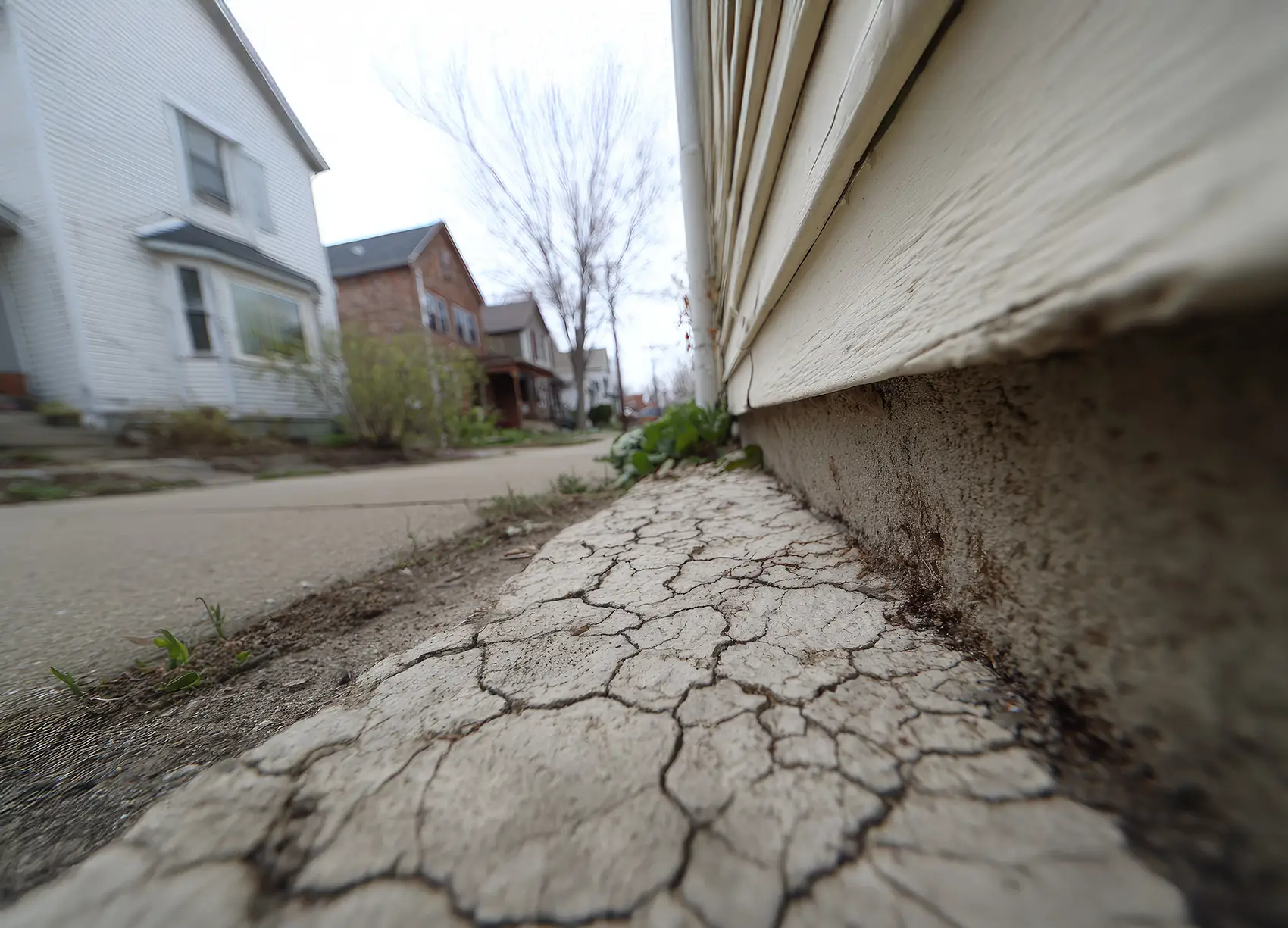
Concrete landscape curbing is one of the most cost-effective ways to define garden beds, frame driveways, and add permanent structure to any Centralia property. When it is installed correctly, it lasts decades with minimal maintenance. When it is installed incorrectly, the problems start quickly — and they compound over time. Understanding concrete curbing problems before they appear in your yard helps you identify bad installation early, choose repair options wisely, and ensure that new curbing is done right the first time. Material Masters Concrete has seen every installation mistake that Centralia’s climate and soil conditions can expose — and this guide covers all of them.
Why Centralia, WA Creates Unique Challenges for Concrete Curbing
Before examining specific failure modes, it is worth understanding why concrete landscape curbing in Centralia faces conditions that are more demanding than in drier, warmer regions.
Environmental factors that stress concrete curbing in Centralia:
- Lewis County’s high annual rainfall saturates soil consistently — creating ongoing hydrostatic pressure against curbing bases
- Seasonal freeze-thaw cycles introduce frost heave risk that can lift, tilt, and shift improperly installed curbing
- The region’s clay-heavy soils expand when wet and contract when dry — creating ground movement that poorly prepared bases cannot accommodate
- Tree and shrub root systems in established Centralia landscapes grow aggressively beneath curbing — particularly when irrigation keeps soil consistently moist
Any one of these factors can cause problems in curbing that was marginally installed. In combination — which is typical in Centralia’s Pacific Northwest climate — they accelerate every failure mode dramatically.
The Most Common Concrete Curbing Problems in Centralia
Landscape Curbing Cracking
Landscape curbing cracking is the most visible and most common sign of installation failure. While all concrete develops minor surface cracking over time, structural cracking that runs through the full depth of the curb — or cracking that appears within the first year of installation — almost always indicates a preventable installation error.
Primary causes of premature curbing cracks:
- Mix design errors — Using a concrete mix with insufficient strength for an exterior application, or adding excessive water to the mix on site to improve workability, reduces the cured strength of the concrete and dramatically increases cracking susceptibility
- Absent or incorrectly spaced control joints — Control joints are intentional cut lines that direct natural concrete movement to predetermined locations. When they are omitted or spaced too far apart, thermal expansion and contraction crack the curb randomly across its length
- Curing failures — Concrete that dries too quickly — particularly during Centralia’s occasional warm, dry summer stretches — develops surface cracks before sufficient strength has developed. Proper curing requires maintaining moisture for a minimum of seven days after installation
- Overloading before full cure — Driving vehicles over newly installed curbing or placing heavy landscape material against it before the concrete reaches design strength causes cracking that appears structural but is entirely preventable
Concrete Edging Sinking
Concrete edging sinking — where sections of curbing drop below their original elevation relative to the surrounding landscape — is the second most frequent curbing installation mistake seen in Centralia properties.
Sinking occurs when the base beneath the curbing consolidates or washes away after installation. In Centralia’s rainfall environment, this is not a question of whether it will happen to improperly prepared bases — it is a question of when.
Root causes of curbing settlement in Centralia:
- Improper base preparation — Installing curbing directly on uncompacted native soil or organic material that settles under the weight of the concrete and subsequent soil moisture changes
- Insufficient base depth — A gravel or compacted aggregate base that is too shallow provides inadequate load distribution, allowing the curbing to follow the movement of the unstable soil beneath it
- Organic material left in the base zone — Grass, roots, and decomposing organic matter left beneath the curbing continue to break down after installation — creating voids that allow progressive settlement
- Inadequate drainage design — Water that pools beneath curbing saturates the base material, reducing its load-bearing capacity and accelerating settlement under the weight of the concrete
Frost Heave Curbing Damage
Frost heave curbing damage is a specific failure mode caused by the expansion of water in soil as it freezes — physically lifting, tilting, or fracturing curbing sections that lack sufficient base depth or anchoring.
While Centralia does not experience the severe freeze-thaw cycles of colder climates, Lewis County does receive regular freezing temperatures during winter months — enough to cause meaningful frost heave in curbing installed on saturated, poorly drained soil with an inadequate base.
Signs of frost heave damage:
- Sections of curbing raised above adjacent sections with visible height differential at joints
- Curbing tilted inward or outward from its original vertical alignment
- Cracks concentrated at the ends of individual curbing sections where heaving force concentrates
- Gaps between curbing sections that were not present at installation
Concrete Edging Gaps
Concrete edging gaps — spaces that open between adjacent curbing sections after installation — indicate either improper joint design, differential settlement between sections, or frost heave movement. Beyond their appearance, gaps allow weed growth, permit soil migration between the bed and lawn sides of the curbing, and signal that the curbing system is experiencing ongoing movement that will worsen without intervention.
Improper Base Preparation: The Root Cause of Most Failures
Why the Base Determines Everything
Every concrete curbing problem listed above traces back, directly or indirectly, to improper base preparation. The base is invisible after installation — which is precisely why corners are cut during this phase and why the consequences only become apparent months or years later when the damage is already done.
What correct base preparation for Centralia curbing requires:
Curbing Repair Options for Centralia Homeowners
Matching the Repair to the Problem
Not every curbing repair option is appropriate for every failure type. The right repair depends on whether the underlying cause has been corrected — applying surface fixes to structurally failed curbing produces results that fail again within one to two seasons.
Repair approach by problem type:
Landscape Curbing Maintenance to Prevent Recurrence
Landscape curbing maintenance after repair — or after new installation — extends service life significantly and reduces the likelihood of recurring failures.
Ongoing maintenance practices for Centralia curbing:
- Inspect all control joints and section connections annually before winter — clean out debris and refill with appropriate joint sealant to prevent water infiltration
- Ensure irrigation systems do not direct water flow directly against curbing bases — persistent moisture saturation accelerates every failure mode
- Keep soil level on the bed side of curbing at or below the curbing top — soil buildup that overtops curbing traps moisture and accelerates surface deterioration
- Curb cracking repair of minor surface cracks should be addressed promptly — water infiltrating small cracks freezes during Centralia winters and expands the crack significantly with each cycle
- Trim tree and shrub roots that are visibly approaching curbing lines before they begin to exert upward pressure from beneath
Conclusion
Incorrectly installed concrete landscape curbing in Centralia produces predictable, progressive problems — cracking, sinking, frost heave damage, and gap formation — that are far more costly to remediate than they would have been to prevent with proper installation from the start. Concrete curbing problems in the Pacific Northwest are not inevitable. They are the direct result of skipping base preparation, using inadequate mix designs, omitting control joints, and failing to account for Centralia’s demanding soil and climate conditions. Material Masters Concrete installs landscape curbing to the standard that Centralia’s environment actually demands — so your investment looks and performs exactly as it should for decades.
If your concrete landscape curbing in Centralia is cracking, sinking, or showing gaps — or if you want new curbing installed correctly the first time — Material Masters Concrete is ready to help. Visit materialmastersconcrete.com or contact us today to schedule an assessment and get a transparent quote for repair or new installation anywhere in Centralia and Lewis County.
Frequently Asked Questions
The most effective frost heave prevention combines adequate base depth — a minimum of four to six inches of compacted crushed aggregate — with drainage design that prevents water accumulation beneath the curbing. Frost heave occurs when saturated soil freezes and expands. Removing the water from the equation through proper drainage is more effective than attempting to resist frost pressure with deeper or thicker curbing alone. In areas with known drainage challenges on Centralia properties, a perforated drain pipe installed alongside the curbing base provides the most reliable long-term protection.
Material Masters Concrete — Serving Centralia, Lewis County, and Southwest Washington — materialmastersconcrete.com