ConcreteOct 5, 2024
How to Maintain Your Concrete Flatwork Construction for Longevity
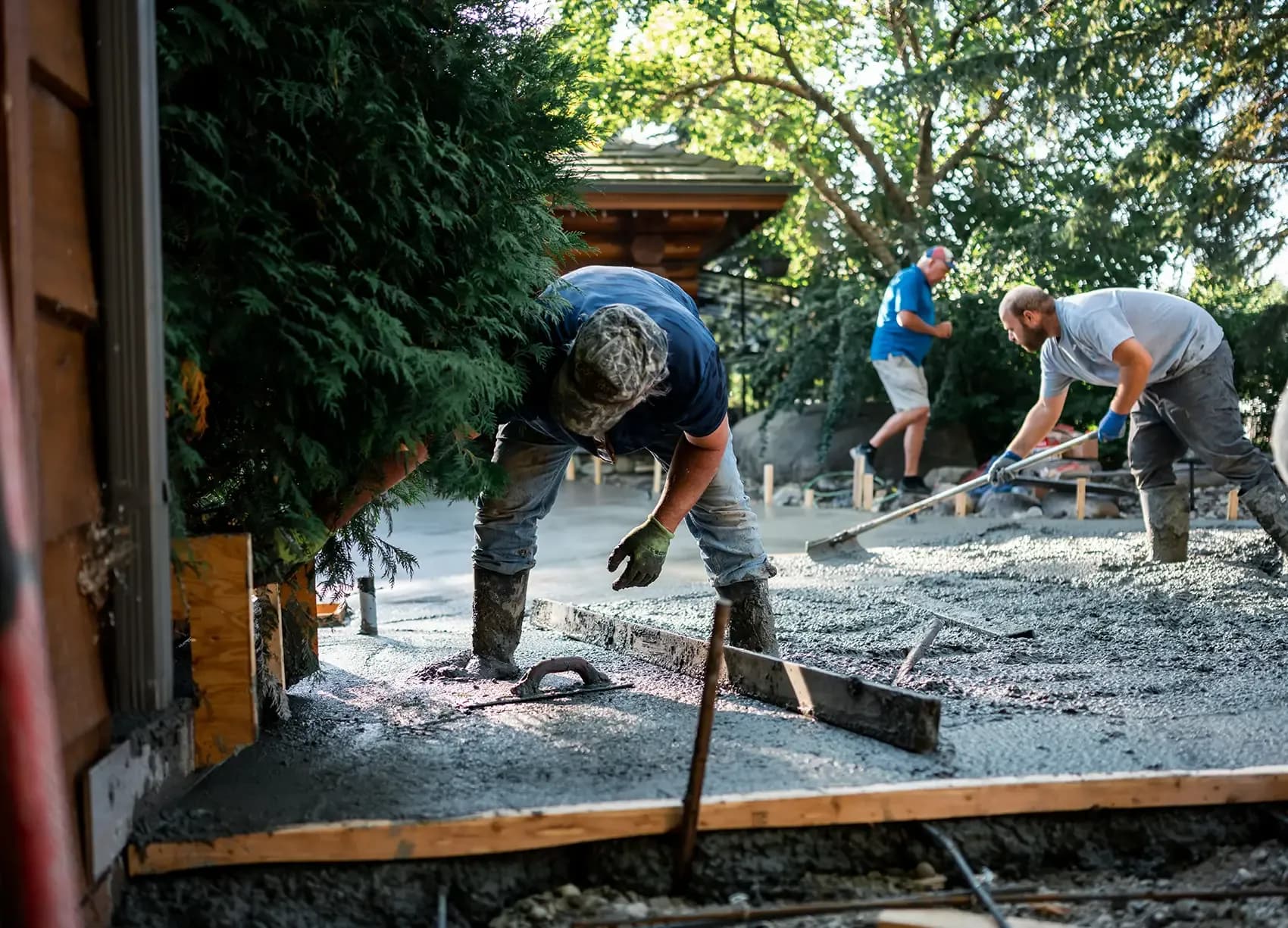
1. What is Concrete Flatwork and Why Should I Care?
2. Types of Concrete Flatwork Construction: Driveways, Patios, Walkways, etc
- Driveways: This is used to allow access to your home and it is used with heavy vehicle traffic
- Patios: Outdoors living space for amenity and recreation
- Walkways: Connect parts of your property, for instance, the front entrance to the backyard
- Garage Floors: it protects the garage from water and damage
3. Concrete Advantages for Flatwork Construction
- Durability: Concrete is quite tough and resistant to wear and tear.
- Versatility: It could be presented in various forms of texture, colors, and patterns for your designs.
- Affordability: Concrete is relatively cheaper compared to other materials like brick or stone.
- Low Maintenance: Once concrete flat work is adequately taken care of, it requires virtually no maintenance.
4. Key Materials and Tools Needed for Concrete Flatwork
- Concreting Mix: Quality concrete mix equivalent to the minimum requirements of the local building code.
- Water: Clean water to be used in the mixture of the concrete.
- Forms: Used for the holding of concrete with a shape to the final surface.
- Rebar or Wire Mesh: For reinforcement of large slabs; particularly,
- Shovels and Trowels: To mix and finish the concrete.
- Vibrator: To remove air bubbles from the concrete.
- Finishing Tools : To achieve a smooth or textured surface.
5. Maintenance Tips for Long-Lasting Concrete Flatwork
- Clean the Surface Regularly: Do not let dirt, leaves, or any other debris stain the concrete flatwork by sweeping them off regularly.
- Seal the Surface: Apply some quality sealant to prevent water from damaging the concrete and causing a stain.
- Apply Repairs Immediately: Fill cracks or chips with a concrete patching material to prevent further deterioration.
- Avoid De-Icing Salts: Overuse of de-icing salts can cause damage to concrete. Therefore, their usage should be minimized.
- Concrete Protection during Winter: Cover the concrete with tarpaulin or any protection material during severe winter conditions
6. How to Choose the Right Concrete Flatwork Contractor for Your Construction Project
- Experience: Seek a contractor with experience in concrete flatwork.
- License and Insurance: Ensure that the contractor is fully licensed and insured.
- References: Source through past clients.
- Detailed Estimate: Source for an estimate including all your cost, all materials and labors used in the process.
- Communication: Ensure you choose a contractor who can effectively communicate with you.
7. Conclusion: The Value of Quality Concrete Flatwork to Your Property
Key Factors to Consider When Choosing a Concrete Contractor
FAQs
Concrete flatwork refers to any horizontal concrete surface, including driveways, patios, sidewalks, and garage floors, known for its strength and versatility in both residential and commercial spaces.
It’s recommended to seal concrete flatwork every 2–3 years to protect it from moisture, stains, and cracks, especially in high-traffic or weather-exposed areas.
To extend the life of your concrete flatwork, clean it regularly, seal the surface, repair cracks immediately, and avoid using de-icing salts during winter.
A professional concrete contractor ensures proper sealing, repair, and finishing, using high-quality materials and techniques to maintain durability and appearance over time.