How to Maintain Decorative Concrete Landscape Curbing?
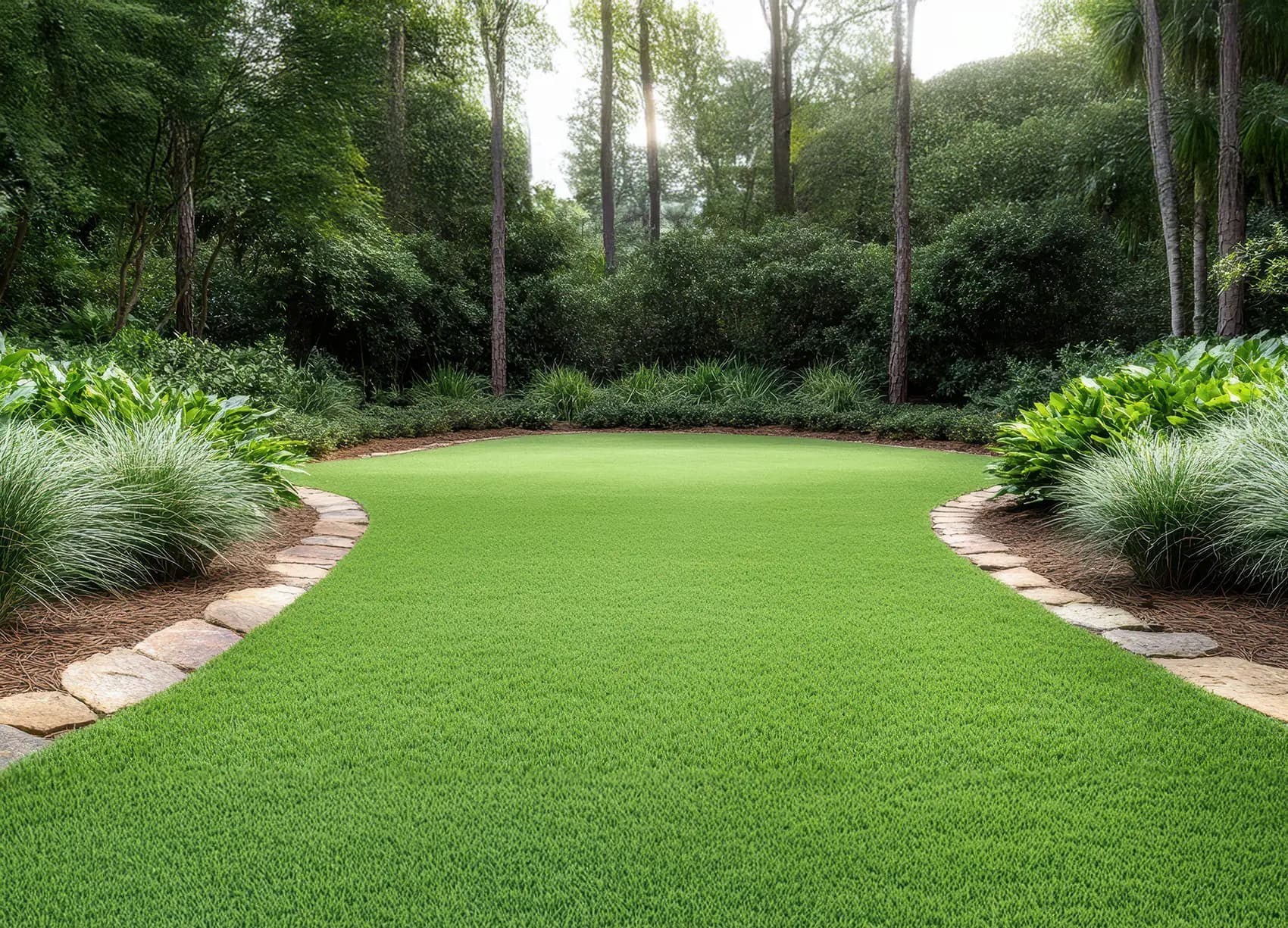
Decorative concrete curbing is one of the best ways to upgrade the look of your yard, garden beds, and outdoor landscaping. It creates clean borders, improves curb appeal, and helps keep mulch, soil, and decorative rock neatly in place. However, to keep your curbing looking fresh and strong for years, it’s important to maintain it properly.
If you already have decorative concrete landscape curbing installed—or are planning to invest in it—this guide will walk you through simple cleaning, sealing, and care tips that protect your curbing long-term.
Why Maintaining Decorative Concrete Landscape Curbing Matters
Concrete is known for durability, but outdoor conditions can still impact its appearance over time. Sun exposure, moisture, lawn equipment, and shifting soil can lead to discoloration or small cracks if the curbing isn’t maintained.
Regular maintenance helps you enjoy major landscape curbing benefits, such as:
- Preventing surface cracks and chips
- Reducing staining from dirt and mulch
- Protecting decorative color and finish
- Improving long-term durability
- Keeping your yard looking clean and professional
Whether it’s used as concrete edging for gardens or larger property borders, maintenance is key to preserving your investment.
Clean Your Landscape Concrete Curbing Regularly
Routine cleaning is one of the easiest ways to maintain landscape concrete curbing. Dirt buildup can make even new curbing look dull.
Rinse With Water Often
Use a garden hose to rinse off:
- Dust and dirt
- Grass clippings
- Mulch residue
- Leaves and debris
A quick rinse every couple of weeks goes a long way.
Use Mild Soap for Tough Spots
For deeper cleaning, mix mild dish soap with warm water and scrub gently using a soft brush. This method is safe for decorative finishes and helps remove stains without damaging the surface.
Avoid strong chemicals unless recommended by a professional.
Pressure Washing (Only When Needed)
Pressure washing can be effective but should be done carefully. Too much pressure can damage the decorative surface.
If you pressure wash, use a low setting and avoid spraying too close to the curbing edges.
Prevent Common Stains and Discoloration
Stains are a common issue for homeowners with decorative curbing, especially around mulch beds.
To reduce staining:
- Avoid piling mulch directly against the curb
- Clean fertilizer spills quickly
- Remove wet leaves before they sit too long
- Keep soil from building up along the edge
These simple steps help keep your yard curbing solutions looking clean and well-maintained.
Seal Decorative Concrete Landscape Curbing for Long-Term Protection
Sealing is one of the most important steps in maintaining decorative concrete landscape curbing. A high-quality sealer adds a protective layer that helps resist moisture, stains, and fading.
How Often Should You Seal It?
Most curbing should be resealed every 2 to 3 years, depending on exposure and weather conditions.
If your curbing looks dull, absorbs water quickly, or shows fading, it may be time to reseal.
Benefits of Sealing
Sealing provides:
- UV protection (reduces fading)
- Better stain resistance
- Longer-lasting decorative color
- Easier cleaning and upkeep
If you’re unsure what type of sealer is best, it’s worth consulting professionals who understand decorative concrete finishes.
Protect Your Curbing From Cracks and Damage
Even strong concrete curbing can chip or crack if it experiences impact or shifting ground conditions.
Avoid Hitting It With Lawn Equipment
Lawn mowers and string trimmers can cause surface damage over time. Be careful when edging close to your curbing.
Watch for Drainage Problems
Standing water near the curb can weaken concrete over time. If you notice water pooling after rain, it may be a drainage issue that needs correction.
Repair Small Cracks Early
Small cracks can grow if moisture enters the surface. If you spot a crack forming, it’s best to repair it early before it becomes a larger issue.
Maintenance Starts With Proper Installation
One of the biggest reasons decorative curbing fails early is poor installation. If the base isn’t properly prepared, curbing can shift, crack, or separate over time.
That’s why it’s important to understand the concrete curbing installation process, including how the ground is graded, compacted, and prepared for long-term strength.
When installed correctly, decorative curbing becomes one of the most durable outdoor upgrades you can make.
When to Call Professionals for Decorative Concrete Curbing Maintenance
Some problems require professional attention, especially if you want your curbing to maintain its decorative look.
You should contact an expert if you notice:
- Large cracks or shifting sections
- Heavy discoloration or fading
- Chipping along multiple edges
- Drainage-related damage
- Uneven curbing lines
In many cases, professionals can restore the surface or recommend resealing solutions without needing a full replacement.
If you want long-term results, working with a team that specializes in decorative concrete curbing services ensures the color, texture, and finish remain consistent.
Need Help With Decorative Concrete Landscape Curbing?
If you’re looking for long-lasting decorative concrete landscape curbing or need expert help maintaining your current curbing, Material Masters Concrete is ready to help.
We specialize in high-quality landscape concrete curbing that enhances curb appeal and delivers long-term durability.
✅ Custom decorative curbing designs
✅ Professional installation and finishing
✅ Reliable service for residential and commercial properties
Contact Material Masters Concrete today to get a quote and learn more about our trusted concrete curbing installation services.
FAQs About Decorative Concrete Landscape Curbing Maintenance
Light rinsing every few weeks and deeper cleaning every few months is ideal.
Most decorative curbing should be sealed every 2 to 3 years.
Yes, if the pressure is too high. Use a low setting and avoid spraying too close.
UV exposure, weather, and lack of sealing are the most common causes.
As soon as you notice them to prevent expansion and moisture damage.