How to Maintain Decorative Concrete in Cold Pacific Northwest Weather (Simple Tips)
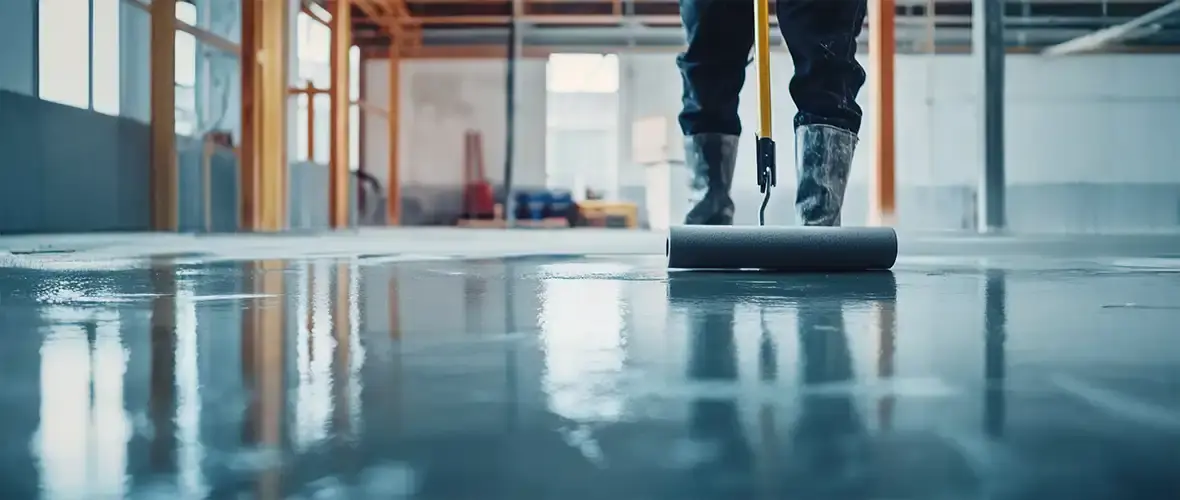
Decorative concrete is one of the most durable and visually appealing choices for outdoor surfaces in Washington and the greater Pacific Northwest. But with cold temperatures, heavy rainfall, and freeze–thaw cycles, keeping it in top condition requires a little extra care. Proper decorative concrete maintenance in the Pacific Northwest ensures your investment stays beautiful, strong, and weather-resistant year-round.
Whether you want to maintain stamped concrete, protect exposed aggregate, or keep stained patios looking fresh, these simple tips will help you prevent damage and extend the life of your decorative surfaces.
Why Decorative Concrete Needs Special Care in the Pacific Northwest
The Pacific Northwest is known for its wet winters, fluctuating temperatures, and long rainy seasons. These conditions can cause wear and tear over time if your concrete isn’t prepared.
Key challenges include:
- Frequent freeze–thaw cycles that may cause cracking
- Excess rain leading to moisture absorption
- Moss and algae growth on shaded surfaces
- Weather-related fading of sealants and color
- Higher risk of surface deterioration without proper care
Following the right maintenance strategies can help protect decorative concrete and keep it functioning at its best.
1. Keep Decorative Concrete Clean Year-Round
Regular cleaning is the foundation of long-lasting decorative concrete.
Simple cleaning tips:
- Sweep leaves and debris weekly
- Rinse surfaces with a garden hose or light pressure
- Use mild, non-acidic cleaners for stains
- Remove moss and algae promptly before they spread
This is especially important if you want to maintain stamped concrete patterns, textures, and coloring.
2. Seal Decorative Concrete Every 2–3 Years
Sealing is one of the most effective ways to enhance durability and prevent weather damage.
Benefits of sealing decorative concrete:
- Protects against moisture penetration
- Reduces risk of cracking
- Helps prevent color fading
- Creates a barrier against stains
- Enhances shine and appearance
For best results, choose a sealant designed specifically for weatherproof concrete in WA, where heavy rainfall demands stronger protection.
3. Avoid Chemical Deicers in Winter
Many chemical ice melters contain harsh ingredients that deteriorate concrete.
Avoid:
- Rock salt (sodium chloride)
- Ammonium nitrate
- Magnesium chloride
Use instead:
- Sand
- Cat litter
- Traction grit
These alternatives keep surfaces safer without damaging the concrete surface finish.
4. Repair Cracks Immediately (Even Small Ones)
Small cracks expand quickly in cold, wet climates. Water enters cracks, freezes, expands, and worsens the damage.
Addressing cracks early using the concrete crack repair – best method prevents:
- Structural damage
- Spalling or crumbling
- Moisture intrusion
- Long-term discoloration
A professional inspection is recommended if cracks spread or deepen.
5. Prevent Water Pooling Around Concrete Surfaces
Standing water is one of the biggest threats to decorative concrete, especially in Washington’s rainy climate.
How to prevent water damage:
- Ensure proper drainage around patios and walkways
- Check gutters and downspouts
- Remove mud buildup along edges
- Keep landscape soil from touching decorative concrete
Better drainage also reduces moss growth, improving both appearance and slip resistance.
6. Protect Heavy-Traffic Decorative Concrete Surfaces
Driveways, walkways, and entryways experience more stress during winter.
Protection tips:
- Place rubber mats at entry points
- Avoid dragging heavy objects
- Use protective pads under planters and furniture
- Reapply sealant more often on high-use areas
These steps keep surfaces looking like new even during harsh weather.
7. Consider More Weather-Resistant Decorative Concrete Options
If you’re planning a new installation, the Pacific Northwest climate calls for materials designed to handle rain and cold. Homeowners often search for the best low-maintenance decorative concrete options for rainy climates—and for good reason.
Some durable choices include:
- Stamped concrete with heavy-duty sealant
- Exposed aggregate with non-slip additives
- Stained concrete with UV-resistant finishes
- Broom-finished concrete for better traction
Material selection plays a major role in long-term maintenance ease.
Conclusion
Decorative concrete can withstand the toughest Pacific Northwest weather—as long as it’s properly maintained. From sealing regularly to addressing cracks early and optimizing drainage, these simple steps will help preserve your surface’s strength and beauty. With the right approach to decorative concrete maintenance in the Pacific Northwest, your stamped, stained, or textured concrete will continue to perform year after year.
For expert guidance, professional sealing, or repairs, trust Material Masters Concrete—Washington’s specialists in durable, weather-resistant decorative concrete solutions.
🌧️ Want your decorative concrete to survive cold winters and heavy Pacific Northwest rain?
Contact Material Masters Concrete today for sealing, maintenance, and expert concrete care designed for Washington weather.
FAQs – Quick Answers for Users
Every 2–3 years is standard, but high-traffic areas may need yearly sealing due to heavy rain and wear.
Yes. Freeze–thaw cycles can cause cracking if the concrete isn’t sealed or maintained properly.
Regular cleaning and proper drainage reduce moisture, which helps prevent moss and algae buildup.
Small cracks can be DIY, but spreading or deep cracks need expert repair using the concrete crack repair – best method.
Exposed aggregate, stamped concrete with durable sealant, and stained concrete with weatherproof coatings are among the best low-maintenance decorative concrete options for rainy climates.